Joan Didion opens “On Keeping a Notebook” by trying to make sense of something she wrote down in a hotel bar in Wilmington, Delaware. It’s a remark about a separation, followed by a note about a woman’s dirty crepe-de-Chine wrapper. She has the time, 9:45 on an August morning, but she isn’t sure of the year. She has to sit with the entry a while before she can remember what she was doing there. Read the opening of “On Keeping a Notebook.”
Then the rest of the bar comes back. The woman had come downstairs for a beer. The bartender had heard the story before and went on mopping. At the other end of the bar, a girl in a plaid silk dress was talking to a cat instead of the man beside her. The hem of the dress was coming down.

I love the hem. A falling hem is hardly the sort of thing you’d underline in your notes, but I can see that girl more clearly than I can see anybody else in the bar. Didion gives us just enough to wonder why she’s talking to the cat. And there’s something funny about a writer so precise about clothes being unable to tell us what year it was.
What a reporter writes down
A reporter’s notebook has a job. You get the name, check the spelling, mark the quote you might use. In television you could come back with an interview full of things worth hearing and have time to air one answer. You had to decide which details someone watching at home needed to understand what happened. Plenty of perfectly good details stayed in the notebook.
Didion’s essay makes me think about the things that stay with you after the story’s finished. The thing somebody said after the interview was over. The way a room emptied out when you still had work to do. The detail you’d have cut first if the piece was running long might be the one you remember twenty years later.
I can tell you how high the ceiling is in the Seattle Central Library. I looked it up for the piece. What I remember about being inside is how often I wanted to look up, and how often I saw someplace I could sit down. The first detail tells you something about the building. The second tells you why I wanted to stay. The Library I Wasn’t Looking For in Seattle.

The trouble with the cracked crab
Didion remembers eating cracked crab on the day her father came home from Detroit in 1945. She also thinks she probably made up the crab. She was ten. Why would she remember what she had for lunch? And yet the crab brings the afternoon back to her, right down to the gifts her father brought home and the child in tears. Read the passage in Didion’s essay.
That’s the part of the essay I keep coming back to. I can imagine an editor circling the crab and asking how she knows. I’d ask the same question. What makes the passage work is that Didion lets us see her doubt. By the time she’s finished, I’m less curious about what she ate than I am about why her mind fixed on lunch when there was so much else going on in that house.
Tell a story often enough and eventually you get good at it. You know where to begin and which part makes people laugh. When I wrote about looking for the last copy of David Sedaris at Barnes & Noble, I remembered the woman from the store moving her fingers along the spines, faster and faster. It took a few seconds for my good luck to turn into disappointment. That little detail of her hand is what makes me feel the wait again. My review of Me Talk Pretty One Day
“Remember what it was to be me,” Didion writes. There’s a difference between remembering the story and remembering the person who was still in the middle of it. An old note can hand you back both at once.
The sauerkraut recipe
Near the end, Didion comes across a recipe for sauerkraut. It takes her back to Fire Island. It was raining. There was bourbon. They ate and went to bed early, and she listened to the rain and the ocean and felt safe. She makes the recipe again. It still makes sauerkraut. It doesn’t do a thing about how safe she feels.
I’m glad she tells us she tried it. There’s a moment when you think the recipe might work twice. You can buy the ingredients again. You can get the proportions right. You can even go to bed at ten. Of course, she could have written down that she felt safe that night, and I doubt it would bring her back to Fire Island half as quickly as the recipe does.
It makes me want to open an old notebook somewhere in the middle. I’d look for the entry I don’t understand, the one with a name I can’t place or an address I can’t remember going to. I must have thought I’d know what I meant. I’d like to see how much of the room comes back.
Read next: “On Keeping a Notebook” appears in Slouching Towards Bethlehem. For another Didion essay, see “On Self-Respect” in its original 1961 Vogue layout.
A Place to Write It Down
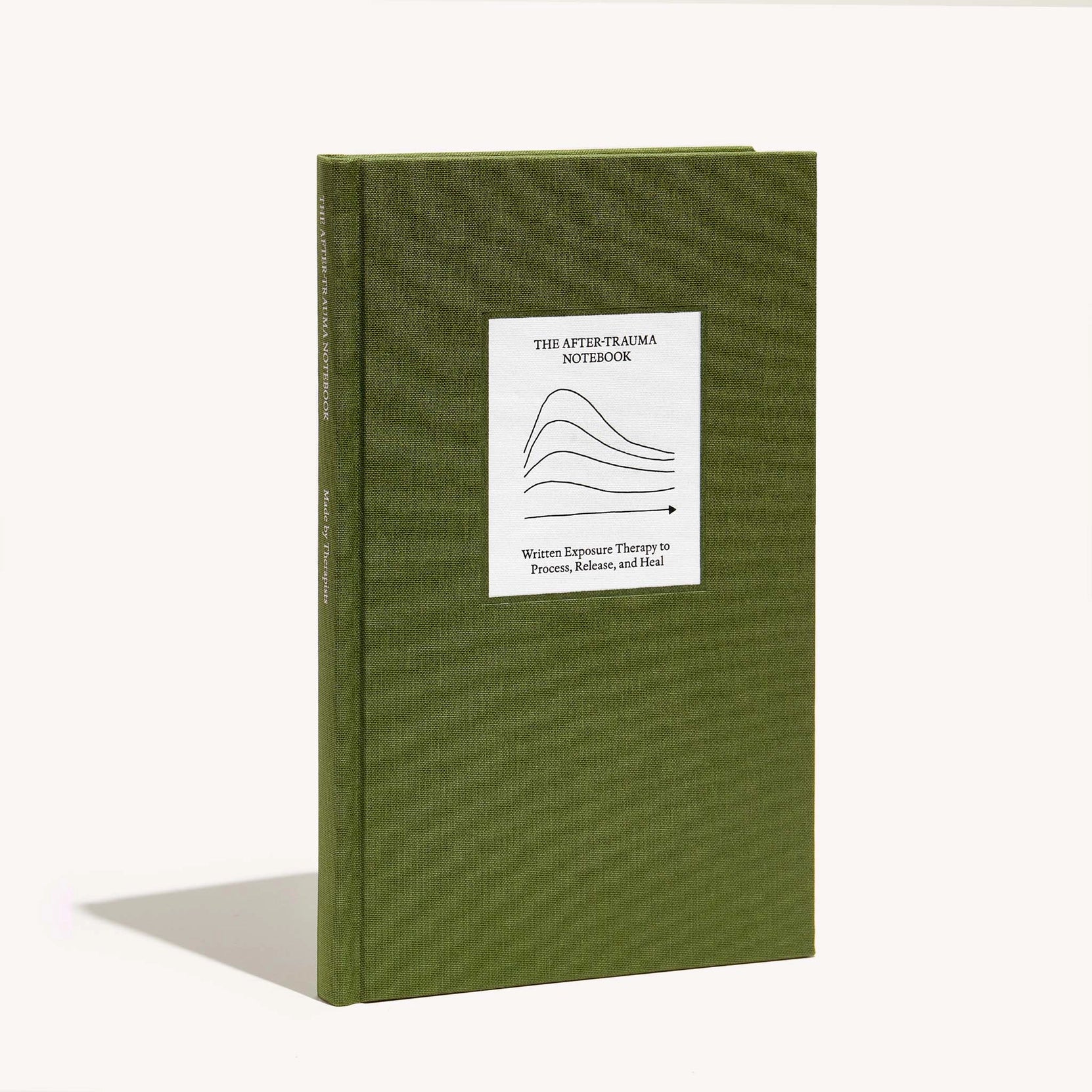
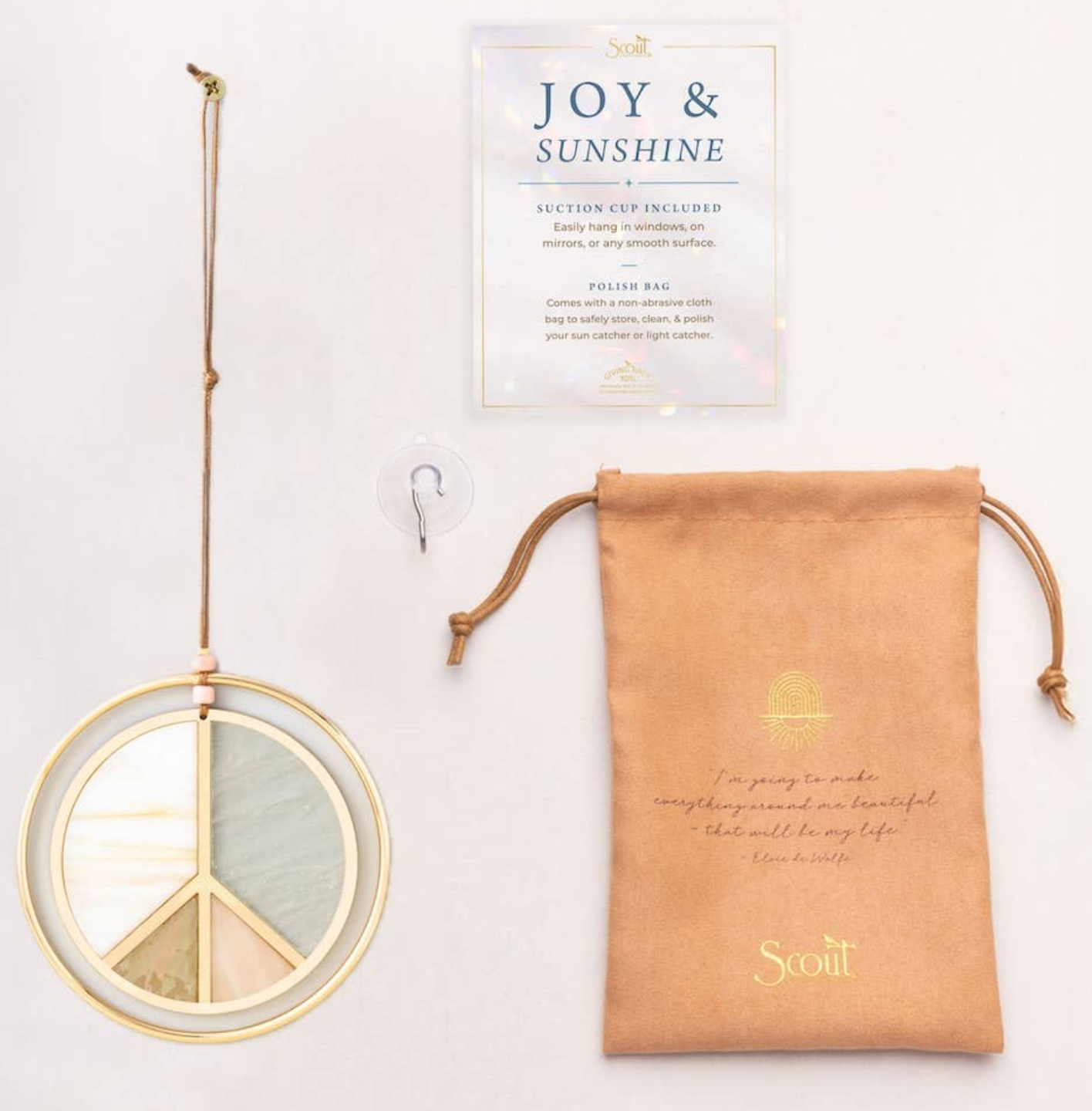
A little notebook you can pull out at lunch, a journal you’re happy to leave open on your desk, or a digital pad if you like writing by hand and want to keep your notes together. All you need is somewhere to put the sentence you’d otherwise forget by the time you got home.
I may earn a commission if you shop through the links below.