Dinner isn’t just dinner anymore. Everything needs a concept, a spectacle, a feeling. But somewhere along the way, did we forget how to enjoy ourselves?
There was a time when going out meant just that. Getting out there, into the action, the thick of it, experiencing the world in a very real and sometimes cathartic way. But now there’s going out, and then there’s the experience of going out.
We’re no longer just going out to dinner. We need to go to that place that’s not like any other restaurant, to have that one experience we’ll potentially never get anywhere else. Or that’s the word on the street, at least. It seems a little disconcerting to not be going out to eat for the food anymore. We need more. Not just food, but a feeling, an emotion.
And here’s the strange part: it doesn’t even have to come from the food itself. It can come from the experience of being in a place with all those trippy green lights that make you feel like you’re in The Twilight Zone. But you’re just at the new fancy-schmancy pop-up restaurant we’ve got to grab while it’s hot. And everybody seems to be getting in on the action.
The Experience Is the Product
So many companies have jumped on the bandwagon, no longer working simply to deliver the most spectacular food, but rather showing us how they show out. They’re working harder behind the scenes on the set than the food. Literally.
And there’s a business reason for that. Back in 1998, B. Joseph Pine II and James H. Gilmore wrote about the emerging experience economy in Harvard Business Review. Their argument was that businesses could create greater value by staging memorable experiences rather than simply selling goods and services.
Nearly three decades later, it’s hard to imagine a corner of consumer culture that hasn’t embraced the idea. The product itself is no longer necessarily the main attraction. The experience is what we’re there for, and we’re suddenly okay with mediocre food as long as we’re spinning while eating, or wading in water while sipping our mimosas, or whatever that experience happens to look like.
Then there’s the escape room I’m underwhelmed by and can’t wait to escape from for real, after forking out a hundo for twenty minutes. We’ve apparently reached the point where even escaping is something we pay to do.
The Little Chef Who Took Over My Dinner
Now, before I sound like someone who has completely lost her sense of adventure, I should tell you about a dinner I had aboard a cruise to the Bahamas. It was called Le Petit Chef, and it was unlike anything I’d experienced before.
The whole table came to life. There were little animated chefs running around, preparing food, mashing tomatoes right on our plates. The moving images were projected onto the table and dinnerware, creating this almost three-dimensional visual show. It was very cool.
And the food was incredible. There was a delectable salad, a savory crab cake that was crispy in all the right places, and a main course featuring one of those really expensive steaks. I almost never eat steak, but I did that day, and boy was I glad I did.
It paired perfectly with a Pinot Noir from California’s Central Coast, of all places. California really does crank out some exceptional vino, up and down the coast and through its inland wine regions. But I digress.
The thing about this dinner was that the food was so extraordinary, the whole production almost took away from it. I was trying to appreciate this beautiful meal while little cartoon characters were busy putting on a show across my plate. It was almost overstimulation. Too much to take in at once. And yet I enjoyed it. I know. I’m contradicting myself.
But maybe that’s the point. There’s something genuinely wonderful about imagination and spectacle. The question is whether the spectacle enhances what we’re experiencing or competes with it. Sometimes the food is already the show.
Fifty-Five Dollars to Make Slime
Then there was the afternoon I took my niece to The Slime Kitchen in Corte Madera. I couldn’t believe this place.
For about $55, we got to make our own slime. You choose your type of slime, with variations like clear, butter and other textures. Then you get to customize it with scents. I remember choices like peppermint, rose and something called monkey farts.
Yes, monkey farts.
Then there are charms, sprinkles, sparkles and all sorts of little things you can add before you roll it, knead it and turn it into your very own creation.
And I’ll give them this: it was good-quality slime. We had fun. But how in the world is this normal now? Fifty-five bucks to play with a little ball of slime that might cost seven or eight dollars at a hobby store? I don’t even know anymore.
Of course, I understand that we weren’t simply paying for slime. We were paying for the activity, the setting, the choices, the time together and the fun of making something. But that is precisely what fascinates me. We’ve become willing to pay a premium for the opportunity to participate in something we might once have done at the kitchen table.
When Fun Became a Production
There’s something to be said for how modern leisure increasingly seems designed for an audience rather than the enjoyment itself. We don’t just go somewhere. We photograph it, record it, post it, and perhaps spend part of the experience wondering how it’s going to look once everyone else sees it.
And I don’t mean that every elaborate experience is a waste of money. I remember when 3D movies were becoming a big deal. I thought they were fantastic. It was exciting. It was technology advancing at what felt like the speed of light, unbeknownst to most of us just how far it would eventually go. And perhaps how far would be too far.
But back then, it was cool. It didn’t cost a million dollars, things still felt relatively reasonable, and the few extra bucks seemed well worth it. There was something thrilling about the novelty. I still love that feeling of discovery. What I’m less certain about is whether we need to manufacture it at every turn.
Do We Really Have to Pay So Much to Play?
While I know most of us are craving more memorable experiences, do we actually enjoy going through everything we have to go through to get there? Is it really worth driving three hours for a silent retreat? Could I not have found that a little closer to home, about $900 cheaper? What is it that makes us think we have to work, or pay to play, really, when the best kind of play used to be fun?
No filters. No bots. No nothing.
Just you and a pal in the park, or on a beautiful trail walk canopied underneath towering redwoods, taking in the clean air and the good company of someone you enjoy spending time with. No fake theater. Just an actual, authentic, real-life experience.
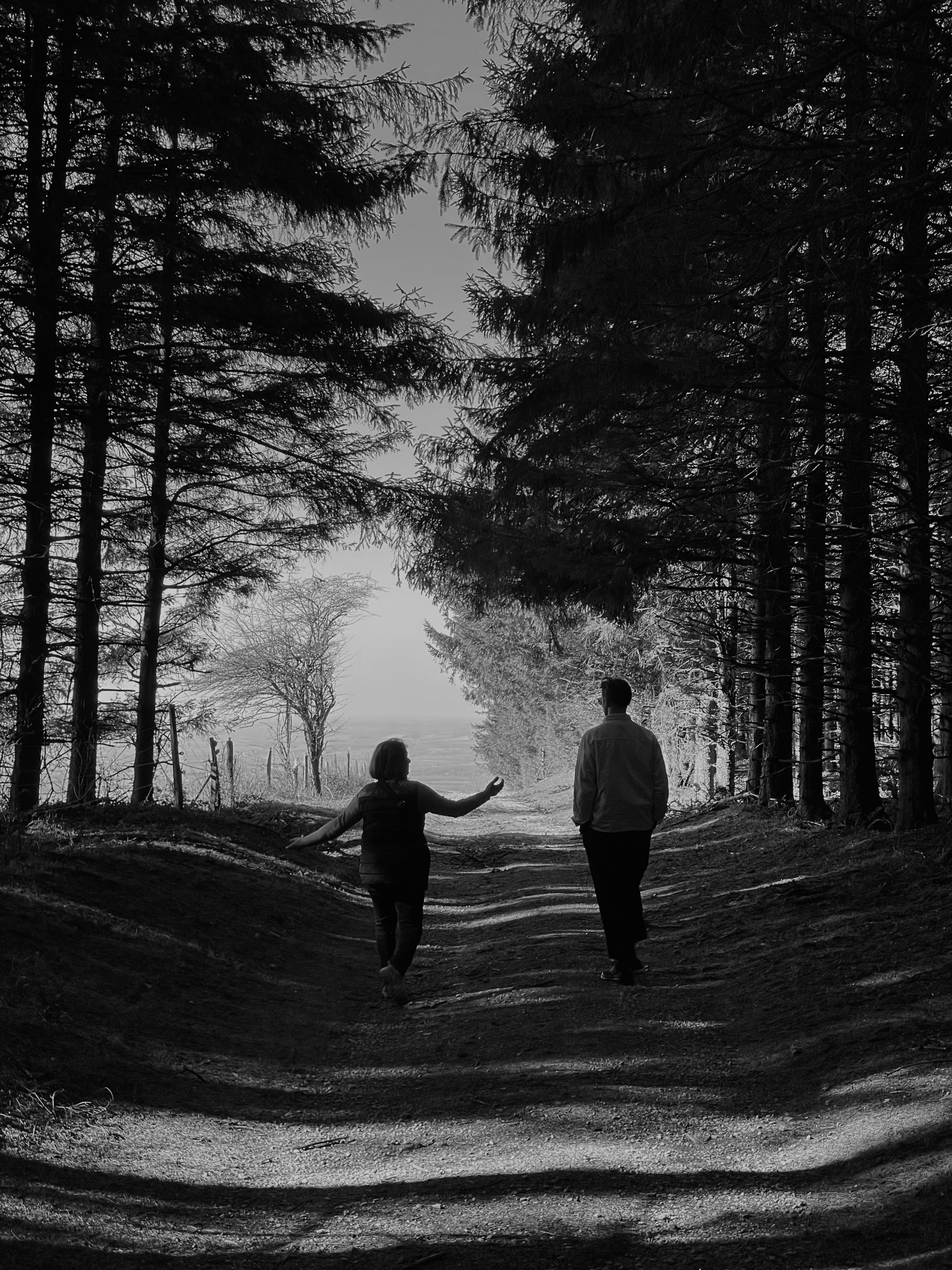
Ahh, the good ole days.
I’ve written before about collecting moments, not things, and perhaps that’s what I keep coming back to. The best memories don’t always come with an admission price.
Whatever Happened to the Good Ole Days?
Now what about bringing that sort of good thing back? Does it still exist? Even if we take the time to nurture those great friendships and do something as old-school as meeting at a café for coffee to catch up, is that something we still enjoy? Or at least both of us, me and my friend?
Or is one of us all in while the other is hyper-distracted by bells and whistles going off in a purse containing a $1,500 Samsung Ultra? I just dropped mine and the pen jammed. That will be a story for another time, about how we’re paying out the ying-yang for practically everything these days.
And reminiscing about those same ole good ole days reminds me of something else. In 1992, I could walk into Gordo Taqueria on College Avenue in Elmwood and get a black bean and cheese burrito for $2.45.
Yep. Two bucks and less than two quarters. Man, those really were the days.
And maybe that’s just nostalgia talking. Maybe we’re always going to remember the good parts of the past and conveniently forget the rest. But I don’t think it’s entirely nostalgia. I’ve spent years thinking about what happens when we expect too much from life. Maybe we’re now doing the same thing with our leisure time.
I think there’s something worth remembering about the pleasure of doing something ordinary without needing it to become extraordinary. A great meal that doesn’t require a theatrical production. A walk with a friend. A conversation that goes on longer than expected. A beautiful afternoon that nobody thought to photograph.
I don’t want to give up the wonderful, weird, inventive experiences the world has to offer. I’ll happily watch another little chef run across my dinner plate. I just don’t want to forget that sometimes the most extraordinary thing about an experience is the experience itself.
And sometimes a good burrito is just a really good burrito.