I think about this every time I walk into a space that’s clearly been furnished all at once. It’s not that it looks bad. It’s that it looks like nothing has happened there yet. No story has had time to settle into the corners.
Character in a home isn’t a style you can order. It’s accumulation. It’s the chair that came from your grandmother’s place and never quite matched anything since, kept anyway because it holds more than upholstery. It’s the artwork picked up on a trip that cost twelve dollars and means more than anything with a real price tag. It’s the shelf that’s a little crowded because every object on it earned its spot.
Start With What You Already Have
Before buying anything new, walk through your own home and actually look at what’s already there. Most of us are sitting on more character than we give ourselves credit for. Old photographs. A piece of pottery nobody remembers who made. A blanket that’s more hole than blanket at this point but still ends up on the couch every winter. These are the building blocks. A layered home starts by taking inventory of what you already love, not by shopping for the feeling of it.
Mix Eras On Purpose
The homes that feel collected instead of curated almost always mix time periods. A midcentury piece next to something inherited next to something bought last month. If every single item in a room comes from the same store or the same year, the room will read as decorated no matter how nice each individual piece is. Character comes from the friction between old and new, formal and casual, expensive and free.
Let Rooms Serve The People Who Live In Them
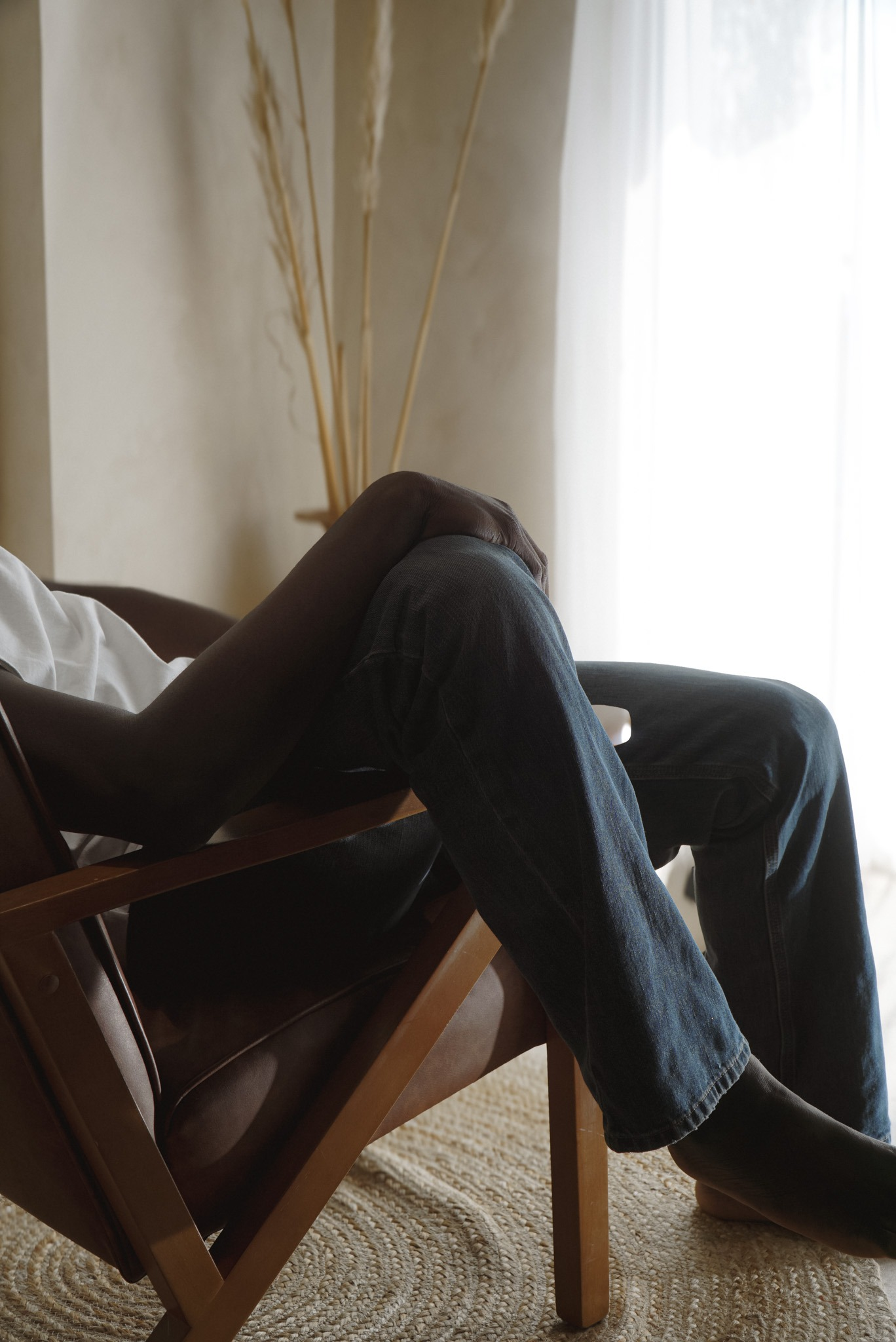
A family home with real character usually shows evidence of actual life. Kids’ art that made the cut to get framed. A reading corner that’s a little worn because someone actually reads there every day. A kitchen counter with the good knife out because it gets used, not tucked away for company. The homes that feel sterile are usually the ones optimized entirely for how they photograph. The ones that feel like someone lives there are optimized for how they get used.
Layer Textiles Before You Layer Anything Else
If there’s one fastest way to take a room from flat to layered, it’s textiles. A rug over another rug. Throw pillows in mismatched but related fabrics. A blanket draped somewhere it doesn’t strictly need to be. Curtains with some texture to them instead of flat panels. Texture does more work in a room than color does, and it’s usually the cheapest fix available.
Don’t Chase Finished
The homes that feel the most alive are usually the ones still in progress. A wall that’s waiting for the right piece instead of being filled just to be filled. A room that changes a little every season instead of getting set once and left alone. Character isn’t a finish line. It’s the ongoing evidence that someone is still paying attention to the place they live.
That’s really what this section of the site is going to be about going forward: real spaces, real constraints, real Bay Area living, not a furniture catalog dressed up as a blog. If you’ve got a home with a story worth telling, I’d love to feature it here.