


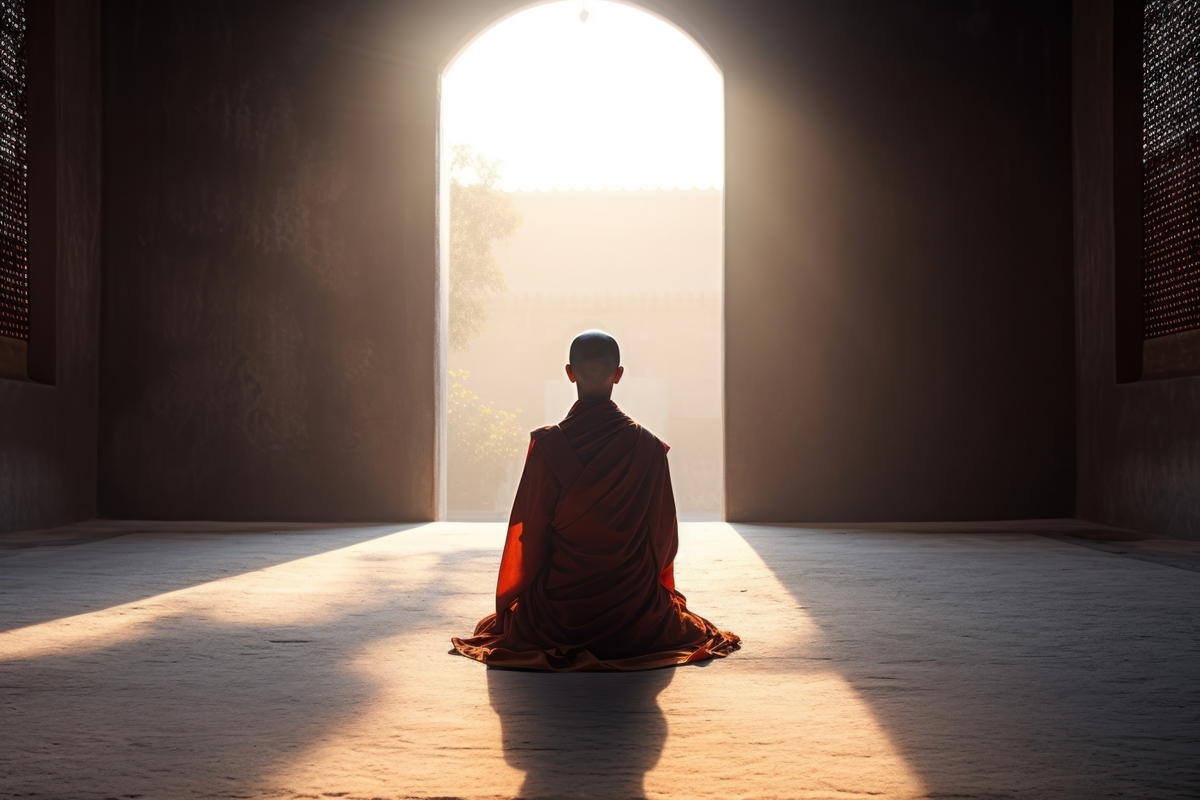

For most of my life, I believed happiness was something I would arrive at eventually. I told myself I would feel better when things settled down, when something worked out, when I finally got where I thought I was supposed to be.
There was always a condition attached.
Like so many of us, I chased happiness through doing, achievements, relationships, and the hope that one day life would feel easier and lighter. But the finish line kept moving away from me it seemed. No matter how much I fixed or accomplished or figured out, something still felt just out of reach.
It wasn’t until I encountered Thich Nhat Hanh’s teachings on happiness that I began to understand why.
He didn’t speak about happiness as a reward or a destination. He spoke about it as something quietly available in the present moment, if we are willing to stop long enough to notice it.
That idea changed how I understand happiness entirely.
How Thich Nhat Hanh Teaches Happiness in the Present Moment
We live in a culture oriented toward later. Later when we have more. Later when we are calmer. Later when life finally cooperates.
This way of living keeps happiness permanently on hold, postponed essentially. It teaches us that contentment depends on circumstances lining up just right, and when they do not, we assume something is wrong with us.
Thich Nhat Hanh offered a different way of seeing. Happiness, he taught, is not something we earn after suffering ends. It is something we practice and settle into alongside everything that is already here.
The Present Moment Is Our True Home
“The present moment is filled with joy and happiness. If you are attentive, you will see it.”
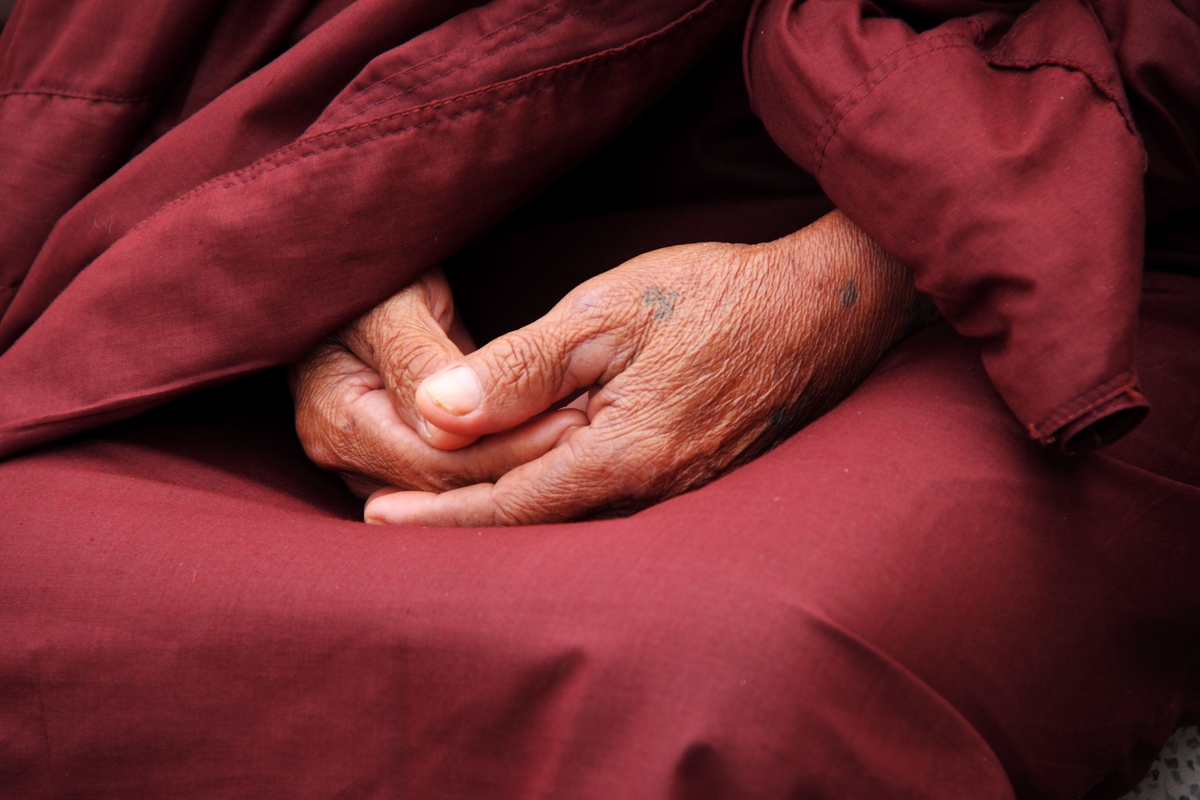
That line stayed with me because attentiveness does not come naturally to me. My mind is skilled at replaying the past and rehearsing the future. While I am doing that, life is happening somewhere else.
Mindful Breathing and Coming Back to Now
Mindfulness, as Thich Nhat Hanh taught it, is not complicated. It is the practice of coming back again and again to what is actually happening.
I started small. I paid attention while washing dishes instead of rushing through them. I noticed the warmth of the water. I walked to my car and noticed the light, the air, the details I usually missed. I sat with a cup of tea and actually tasted it.
Nothing dramatic happened. But something real did.
For brief moments, I was fully here. And in those moments, I understood what he meant when he said there is no path to happiness. Happiness is the path.
Cultivating the Seeds of Joy and Suffering
One of Thich Nhat Hanh’s most powerful teachings is his image of the mind as a garden.
We all carry seeds of fear, anger, grief, joy, compassion, and peace. Every day, through our attention, we decide which seeds we water.
What We Water Grows
I realized how often I was unconsciously nurturing anxiety by replaying conversations, imagining worst case scenarios, and comparing my life to carefully edited versions of other people’s lives.
Mindfulness gave me a pause point.
Choosing Gratitude, Compassion, and Joy
I began watering different seeds on purpose. I practiced gratitude in the morning, even when life felt heavy. I chose small acts of kindness. I allowed myself to enjoy simple pleasures without minimizing them or rushing past them.
A good meal. Clean sheets. Rain tapping on the roof.
Happiness, I learned, is not created by eliminating suffering. It grows alongside it.
Understanding Inter-being and Our Connection to Everything
One of Thich Nhat Hanh’s most transformative teachings is interbeing, the understanding that nothing exists separately.
When I sit with this idea, happiness stops being something I chase for myself alone. It becomes relational and shared.
How Interbeing Changes the Meaning of Happiness
My presence affects others. My calm steadies a room. My listening matters.
The boundary between my happiness and your happiness softens. Happiness stops feeling selfish or indulgent and starts feeling like part of how we care for the world.
“If we are peaceful and happy,” Thich Nhat Hanh said, “not only we, but everyone will profit from it.”
That feels true in my bones.
How Thich Nhat Hanh Teaches Us to Transform Suffering
What I respect most about Thich Nhat Hanh’s teachings on happiness is that they do not deny pain.


He never suggested bypassing sorrow or pretending life is gentle all the time. Instead, he taught how to acknowledge suffering without becoming it.
Without Mud, the Lotus Cannot Grow
Learning to say I see you, sadness instead of pushing it away softened something inside me. When pain is met with awareness and kindness, it changes on its own. Not because we force it, but because we allow it.
Without mud, the lotus cannot grow.
That truth has stayed with me.
Simple Mindfulness Practices for Everyday Happiness
What makes Thich Nhat Hanh’s approach to happiness sustainable is how ordinary it is.
It does not require special conditions or retreats or perfect circumstances.
Small Practices That Create Real Change
I take a few mindful breaths before responding instead of reacting. I eat at least one meal slowly and without distraction. I walk from room to room with awareness. I listen without planning what to say next.
These are not spiritual performances. They are quiet acts of returning.
Over time, they add up.
A Happiness That Is Available Right Now
What I have learned from Thich Nhat Hanh is that happiness does not require the absence of difficulty. It requires presence.
There are still hard days. There is still grief and uncertainty.
But beneath all of it is a steadier ground. Happiness is not something I have to earn or wait for. It is something I can touch, briefly and imperfectly, right now.
As he said, do not wait until all suffering disappears before allowing yourself to be happy.
That feels like permission.
And maybe that is what happiness really is.
